

What you’ll learn:
- Contrave® insurance coverage varies widely by plan, and many people will need prior authorization or to complete step therapy before it’s approved.
- Without insurance, Contrave® can cost $500 to $750 per month, but manufacturer programs may reduce the price.
- Check your specific insurance benefits, coverage requirements, and available savings programs before starting treatment.
If you’re considering Contrave®, you’re probably wondering two things: how it works, and how much it will actually cost. You’re not alone. For many people, figuring out insurance coverage is one of the biggest hurdles before starting any weight management medication.
Contrave® is a prescription medication designed to help people lose weight by targeting both appetite and cravings. It combines two medications, naltrexone and bupropion, which work together in the brain to help reduce hunger and make it easier to stick with healthier habits over time.
One of the biggest questions people have before starting Contrave® is how much it will cost and whether insurance will cover it. While the medication can be effective, it often comes with a high retail price, sometimes over $400 per month without coverage. And unlike medications for conditions like diabetes, insurance coverage for weight management treatments isn’t guaranteed.
Whether Contrave® is covered depends on your specific plan, your medical history, and whether you meet certain criteria like BMI thresholds or prior weight loss attempts. Some plans cover it with prior authorization, while others exclude it entirely. So, understanding how it works and what to expect financially can help you make a more informed decision before starting treatment.
In this guide, we’ll break down when Contrave® is covered by insurance, what factors affect approval, and how coverage differs between private insurance, Medicare, and Medicaid. We’ll also walk through typical costs with and without insurance, plus ways to save so you can better plan for what you’ll actually pay.
New from Noom
Microdose GLP-1Rx Plus
An affordable way to start your GLP-1 journey with Compounded Tirzepatide.

*Initial 3 week subscription and 4 weeks of medication from $79 plus tax and $199 per month plus tax for 12 week subscription thereafter. Final pricing depends on program selection. Noom GLP-1Rx Plus Microdose Program involves medication (when appropriate), healthy diet, exercise and support. Individual results vary. Meds & personalization based on need as determined by a third-party clinician. Medications are not reviewed by FDA for safety, efficacy, or quality. No affiliation with Eli Lilly and Company, the only US source of FDA-approved tirzepatide. Not available in all 50 US states.
Is Contrave ever covered by insurance?
Sometimes—but coverage depends on several factors, including your specific insurance plan, where you live, and whether you meet certain medical criteria.
Because weight loss medications aren’t required to be covered by insurance carriers, many insurance plans don’t automatically cover them. Even when coverage is available, it often comes with conditions and varies widely from one plan to another.
What determines whether Contrave® is covered?
There are multiple factors that can impact whether your insurance will cover Contrave®:
- Your insurance provider: Each insurer decides its own coverage rules. Even within the same company, different plans may include or exclude Contrave® or place it at different cost tiers.
- Your eligibility (BMI and health history): If the medication is covered, you must meet certain eligibility criteria, like having a BMI over 30, or over 27 with weight-related conditions like high blood pressure or high cholesterol.
- Your state (for Medicaid): Medicaid coverage varies widely by state. Some states cover weight-management medications, while others exclude them entirely—and these policies can change over time.
Common requirements if coverage is offered
If your insurance does cover Contrave®, additional steps or documentation are often required before it is approved:
- Prior authorization: Most plans require your doctor to submit paperwork explaining why you need the medication before it’s approved. This prior authorization process can take up to a couple of weeks. If your request gets denied, you can appeal the decision, though this process can take up to 90 days.
- Documentation of previous attempts or step therapy: Many insurers want evidence that you’ve tried lifestyle changes like diet and exercise (and sometimes other treatments) without enough success.
How coverage varies by type of insurance
Coverage rules can look very different depending on your type of insurance:
- Private or employer-sponsored plans: These offer the most flexibility, but coverage still varies widely. Some include weight loss medications, while others exclude them entirely.
- Medicaid: Access depends on your state. Some states provide coverage for weight loss medications, while others don’t.
- Medicare: Medicare Part D doesn’t cover medications prescribed specifically for weight loss. The exception is the GLP-1 Bridge Program that covers some weight loss medications as a trial program, but doesn’t include Conrave®.
If you’re trying to get Contrave® covered, it helps to be prepared. Working with your provider to gather documentation—like your BMI, medical history, and previous weight loss efforts—can make the approval process smoother and reduce delays.
What insurance covers Contrave® medications?
When researching insurance provider Contrave® coverage, you’ll find that each insurer handles this weight management medication differently. Understanding Contrave® dosage requirements can help you discuss coverage options with both your doctor and insurance company.
Private insurance
| Insurance provider | Coverage status | Common requirements | Key details |
|---|---|---|---|
| Aetna | Varies by plan | BMI ≥30 or ≥27 with conditions, lifestyle program enrollment, doctor approval needed | Some plans exclude weight-loss medications, so members should check their specific benefits. |
| Blue Cross Blue Shield | Varies by local BCBS plan | Check your local plan’s formulary | Coverage is determined by the member’s local BCBS company and plan. |
| Cigna | May be covered | BMI requirements, pre-approval required | Continued coverage may require at least 5% weight loss from baseline. |
| UnitedHealthcare | May be covered when the plan includes weight-loss drugs | Prior authorization, qualifying BMI, and lifestyle changes | Initial authorization is four months, and renewal may require at least 5% weight loss. |
| Kaiser Permanente | Varies by region and plan | Check your regional formulary | Members must select their region and plan to find the correct formulary. |
| Humana | Isn’t covered. | n/a | Humana only offers Medicare plans so weight loss medication isn’t covered. |
| Anthem | Varies by state, employer, and plan | Prior authorization may apply | Use the state where the health plan was issued to find the correct drug list. |
| Molina Healthcare | Varies by state and program | Check the applicable Medicaid, Marketplace, or commercial formulary | Coverage differs among Medicaid, Marketplace, Medicare, and other plans. |
| Ambetter | Varies by state and plan | Check your state-specific formulary | Members should consult the formulary issued for their specific state and plan. |
| Oscar Health | Varies by plan | Prior authorization may apply | Use Oscar’s state-specific plan documents and drug-search resources. |
| CVS Caremark | Depends on the plan sponsor | Qualifying BMI, weight-management program, and prior authorization | Published criteria require at least 5% weight loss for continued authorization, but the plan sponsor can set its coverage. |
| Express Scripts | Depends on the employer or plan sponsor | Prior authorization or other plan rules may apply | The employer or plan sponsor ultimately determines coverage. |
Coverage information as of 2026—always verify with your specific plan.
Note about PBMs: CVS Caremark and Express Scripts are Pharmacy Benefit Managers (PBMs)—companies that handle prescription benefits for your employer’s insurance plan. They don’t decide coverage on their own but follow the rules your employer chose.
Most insurers that cover Contrave® require meeting specific weight and health criteria, plus showing you’ve tried lifestyle changes first. The key is calling your insurance company directly to understand your plan’s specific rules and costs.
Access GLP-1 Weight Loss with Noom
Explore a wide range of prescription medications supported by Noom’s program.Microdose GLP-1rx
Noom GLP-1rx

Noom GLP-1rx Plus
Wegovy®
Ozempic®

Metformin
Zepbound®
Mounjaro®
Liraglutide
Contrave® coverage: Understanding Medicare insurance plans
Medicare and military health benefits follow different rules for weight-loss medications. Contrave® is excluded from standard Medicare Part D coverage, while some TRICARE plans may cover it when current eligibility and prior authorization requirements are met.
| Insurance provider | Coverage status | Common requirements | Key details |
|---|---|---|---|
| Medicare | Not covered | Weight-loss drugs are excluded from standard Part D coverage | Contrave® is not included in the Medicare GLP-1 Bridge program |
| TRICARE | Covered with conditions | Network prescription, medical necessity, and prior authorization required | Not covered for TRICARE For Life or certain other beneficiary groups |
Contrave® coverage: Understanding Medicaid insurance plans
Medicaid coverage for Contrave® varies by state because each state manages its own prescription drug program and coverage rules. Some state formularies may include Contrave®, while others may exclude it or require prior authorization, so members should check their state’s current Medicaid drug list.
State-by-state coverage for Contrave medications
While the insurance providers above set general coverage policies, your state can make a big difference in what’s actually covered, especially if you have Medicaid. State Medicaid programs have their own rules about weight management medications, creating a patchwork of coverage across the country.
| State | Medicaid coverage | What you need to know | Special notes |
|---|---|---|---|
| North Dakota | Covered as separate ingredients | Submit the appropriate diagnosis code | Contrave® itself is not listed |
| California | Requires approval | The provider must document medical necessity | Medi-Cal Rx reviews the clinical information before approving, modifying, or denying the request |
| Texas | Not listed | Coverage is not established by the state formulary | Any coverage request follows the prior-authorization process for traditional Medicaid or the member’s managed-care plan |
| New York | Not covered | Contrave® is excluded when used for weight loss | The exclusion specifically includes Contrave® and generic naltrexone-bupropion |
| Florida | Not listed | The July 2026 drug list does not include Contrave® | Florida may revise its drug list following recommendations from its Pharmaceutical and Therapeutics Committee |
| Illinois | Not listed | A general prior-authorization request may be submitted | Approval depends on the clinical information submitted and the member’s plan benefits |
| Ohio | Requires approval | Medications outside the preferred list are reviewed for medical necessity | Contrave® is not on the preferred list, so a medical-necessity review is required |
| Pennsylvania | Requires approval | BMI, related conditions, and treatment history may be reviewed | Contrave® is not preferred, so the provider must request approval and explain why preferred treatments are unsuitable |
Understanding your state’s specific requirements can help you prepare the right documentation with your healthcare provider. For example, knowing the proper Contrave® dosing schedule can be important when your doctor submits prior authorization requests.
Research shows that state coverage patterns for weight management medications have historically been inconsistent, with only a minority of Medicaid programs offering any coverage. The federal structure of healthcare programs means states can set their own policies for optional benefits like weight management medications.
Important: Coverage information changes frequently and varies by specific plan. Always confirm current policies with your state Medicaid office or insurance provider before starting treatment. State policies can update without notice.
How to check if your insurance covers Contrave®
How do you find out if your insurance covers Contrave®? The process is more straightforward than you might think, and checking ahead of time helps you avoid surprises at the pharmacy.
You can get these answers with a few simple steps. Here’s your checklist to verify coverage before you fill your prescription:
- Call the member services number on your insurance card
Ask if Contrave® is covered under your pharmacy benefit. Request written documentation or a link to your plan’s formulary and coverage policy. You can also check your insurer’s online formulary portal.
- Ask about prior authorization (PA)
Most insurance plans that cover weight loss medications require prior authorization, which means your doctor has to submit documentation that proves the medication is medically necessary. Find out what clinical information is required—such as BMI, diagnosis codes, or treatment history. - Check for step therapy requirements
Some plans require step therapy, which means you have to try other treatments before your insurance will approve Contrave®. Ask if your plan requires step therapy and, if so, which medications you have to try first. - Confirm BMI and medical criteria
Coverage for weight loss typically requires documentation of:
- BMI ≥30, or
- BMI ≥27 with a weight-related condition, like high cholesterol or high blood pressure.
Exact thresholds and documentation rules vary by plan and by state Medicaid program.
- Review Medicare or Medicaid rules (If applicable)
- Traditional Medicare Part D doesn’t currently cover medications prescribed solely for weight loss. They might be covered if used for another FDA-approved indication.
- Medicaid coverage varies by state.
- Get everything in writing
If coverage is approved, denied, or requires additional documentation, request written confirmation. This can help if you need to file an appeal.
Contrave® cost with and without insurance
When you’re considering Contrave®, one of your first questions is probably “What will this cost me each month?” Understanding Contrave® costs with and without insurance helps you plan your budget and explore all your options. The price can vary greatly based on your coverage, pharmacy, and available savings programs.
Contrave®: Costs with insurance
When Contrave® is covered by insurance, most people pay somewhere between $30 and $150 per month. The exact amount depends on your plan, how the medication is categorized, and whether additional savings programs apply.
For plans that include weight-management medications, Contrave® may be placed on a formulary tier that requires either a copay (a flat fee) or coinsurance (a percentage of the cost). Lower-tier placement usually means lower monthly costs, while higher tiers—such as specialty drug tiers—can increase what you pay out of pocket.
Your cost may also depend on:
- Your deductible status: If you have a high-deductible plan, you may pay more upfront until your deductible is met. After that, your cost typically drops to your plan’s standard copay or coinsurance.
- Prior authorization approval: Most insurers require proof of medical necessity before covering Contrave®. This process can take time and may delay when your coverage begins.
- Step therapy requirements: Some plans require you to try lifestyle changes—or even other medications—before approving Contrave®.
- Formulary placement: Each plan decides whether Contrave® is covered and how it’s categorized, which directly impacts your cost.
Even when coverage is approved, costs can vary widely. Because insurers frequently update their policies on weight-loss medications, it’s a good idea to check with your pharmacy ahead of time to confirm your actual price.
Private insurance: Costs and savings
Even with insurance, it’s common to look for additional ways to reduce monthly costs—especially since weight-management medications aren’t always fully covered.
Manufacturer savings card
The Contrave® Savings Coupon Card can help lower your monthly cost if you have commercial insurance (through an employer or private plan).
- Eligible people may pay as little as $20 per month if their insurance covers Contrave®
- Savings vary based on insurance benefits and program limits
- Not available to people with Medicare, Medicaid, or TRICARE
Medicare, Medicaid, and other government plans
Savings cards and manufacturer coupons aren’t available for people enrolled in government-funded insurance programs like Medicare, Medicaid, or TRICARE.
Contrave®: Costs without insurance
If you’re paying fully out of pocket, Contrave® can cost around $500 to $750 per month at retail pharmacies. At that price, many people look for alternative ways to reduce costs before starting treatment.
But there are several programs that may help bring the price down:
CurAccess mail-order program
Contrave® offers a mail-order discount program called CurAccess, now known as Contrave Connex, which provides medication at a reduced cash price with home delivery.
- People without insurance or whose plan doesn’t cover Contrave® will pay $99 per month.
- Eligible users must have a valid Contrave® prescription, enroll with the partner pharmacy, and meet the program’s terms.
- Medicare, Medicaid, and TRICARE participants may qualify, but their prescriptions are processed as cash purchases.
- To enroll, create an account with Ridgeway Mail Order Pharmacy online or by phone, then ask your healthcare provider to send or transfer your prescription.
Learn more: Contrave® costs in 2025: With and without insurance coverage
Frequently asked questions about insurance coverage for Contrave®
People considering Contrave® often have questions about insurance coverage, costs, and what to expect from treatment.
Why is Contrave® sometimes not covered by insurance?
- Commercial (private or employer-sponsored) insurance: Many commercial insurance plans don’t cover weight management medications like Contrave® because they are not required to under federal law. In some cases, insurers view these medications as lifestyle treatments rather than medically necessary care, which can lead to exclusions or limited coverage. Even when coverage is available, plans often apply restrictions such as prior authorization or step therapy before approving the medication.
- Medicare: Medicare Part D doesn’t cover weight-loss medications, including Contrave®, due to federal rules that exclude these drugs from coverage. The trial GLP-1 Bridge Program covers certain GLP-1 medications for those who qualify.
- Medicaid: Medicaid coverage for Contrave® varies by state because each state sets its own rules for prescription benefits. Some states choose to cover weight-management medications, while others exclude them entirely, and even in states where coverage exists, additional requirements like medical criteria or prior authorization may still apply.
How can I get insurance to cover Contrave®?
Work with your doctor to document why you need the medication medically, including your BMI and related health conditions like diabetes or high blood pressure. Your provider may need to submit prior authorization showing you’ve tried lifestyle changes first. However, if Contrave® isn’t on your plan’s covered drugs list, or it’s excluded by law (in the case of Medicare), you likely won’t get coverage. If your request is denied, you still have the right to appeal. Your healthcare provider can submit additional documentation—such as medical records, lab results, or a letter explaining why other treatment options aren’t suitable for you—to support your case.
How much is Contrave® with insurance coverage?
With insurance coverage, Contrave® typically costs between $30 and $150 monthly, based on how your plan categorizes the medication and your deductible status. Some plans charge higher copays for specialty medications like Contrave®. Your exact cost varies by your specific plan’s coverage structure.
What is the cheapest way to get Contrave®?
The manufacturer offers its CurAccess home-delivery program that can reduce costs to $99 per month for eligible people without commercial insurance (or even less if you do have insurance that covers Contrave®). Through the program, individuals can get the medication shipped to their home with free shipping from one of the program’s partner mail-order pharmacies for the $99 per month price.
How much weight can you lose on Contrave® in 3 months?
On average, people lose 5 to 10% of their body weight over a full year of treatment. Early results may show an average of 2 to 4% weight loss in the first 3 months. Your provider will check your progress at the 12-week mark to see if you’ve lost at least 5% of your starting weight. If not, they might recommend you try a different medication.
Learn more: Contrave® for weight loss: How it works and what to expect.
How much is Contrave® if my insurance won’t pay for it?
Without insurance, Contrave® typically costs $400 to $750 per month. For those without insurance, the manufacturer’s CurAccess home-delivery program can bring this down to $99 monthly.
How long will I need to take Contrave®?
How long you’ll stay on Contrave® can vary, but it’s generally intended for ongoing, long-term use—similar to other weight management treatments. The goal isn’t just short-term weight loss, but helping you maintain those results over time.
Usually, people start seeing results after about two to three months, with results gradually increasing to an average of 12% weight loss after 12 months. Your provider will typically evaluate your progress around the 12-week mark after reaching your target dose. If you haven’t lost at least about 5% of your starting weight by then, they may recommend stopping the medication and exploring other options.
If you are responding well, many people continue taking Contrave® beyond that point to support sustained weight loss and appetite control. The medication works best when combined with lifestyle changes like balanced nutrition, regular movement, and behavior support. Ultimately, how long you stay on it depends on how effective it is for you, how well you tolerate it, and your long-term health goals—all of which you’ll review regularly with your provider.
Reviews from real Noom users
Desirea N. — Real Noom user
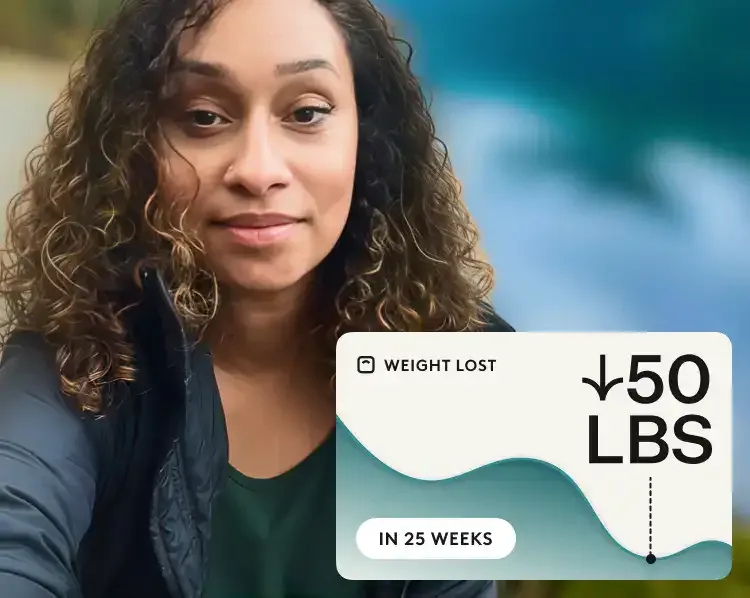
“My favorite parts of Noom are the care team and other Noomers. Sharing and getting help made me feel like I wasn’t doing it alone. That support made all the difference.”
Desirea N. — Real Noom user
Matthew M. — Real Noom user
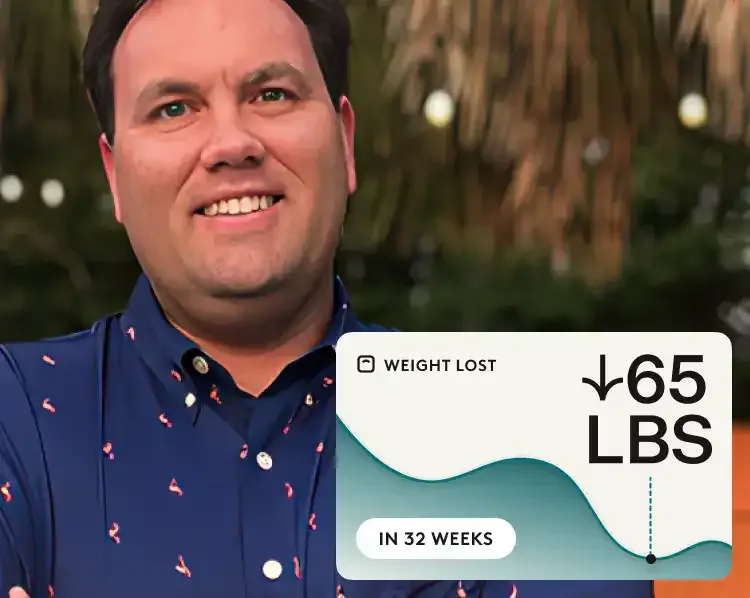
“Noom has taught me that every day is a new chance to make better, healthier choices. It's taught me how to stop overeating.’’
Matthew M. — Real Noom user
Lila M. — Real Noom user
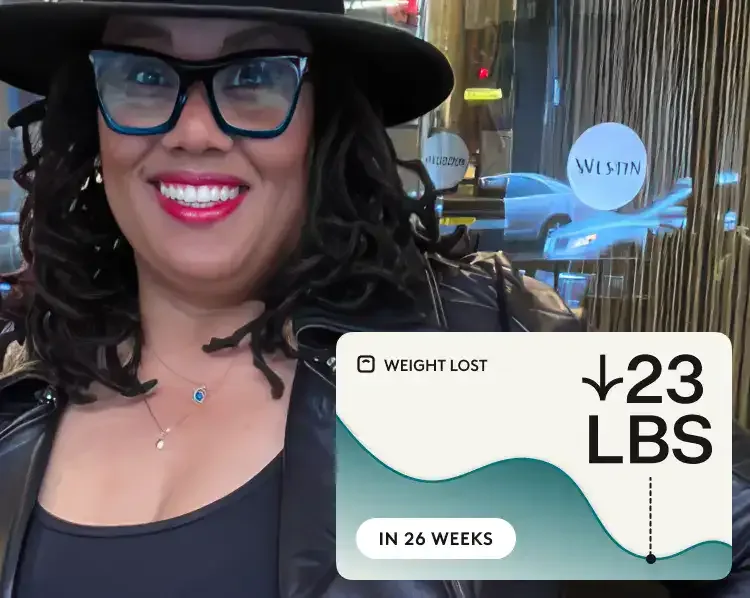
“Clinicians who understand how supportive medication can be is one of the best parts of Noom! I was convinced I wouldn’t have success but I’m down 11 pounds in two months.’’
Lila M. — Real Noom user
Steve M. — Real Noom user
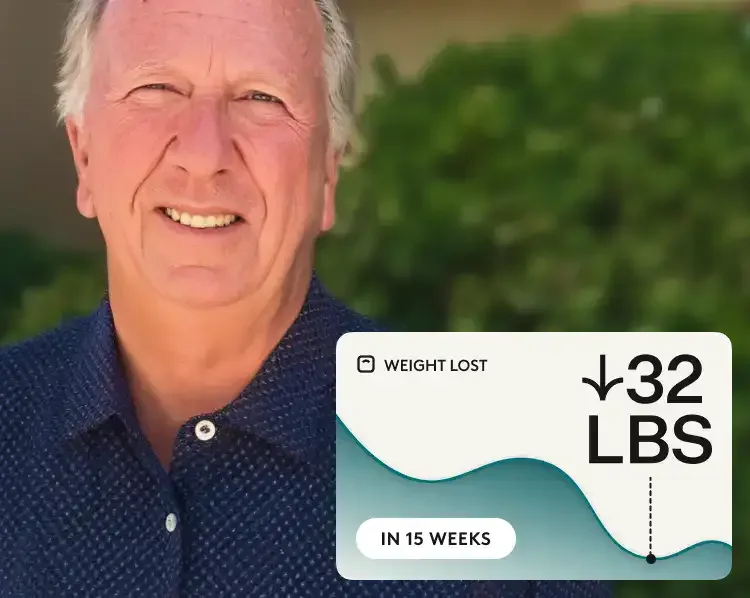
“Noom provided me with the medication which I could not get through Medicare. I have learned the tricks to better eating and life in general.”
Steve M. – Real Noom user
Daisy R. — Real Noom user
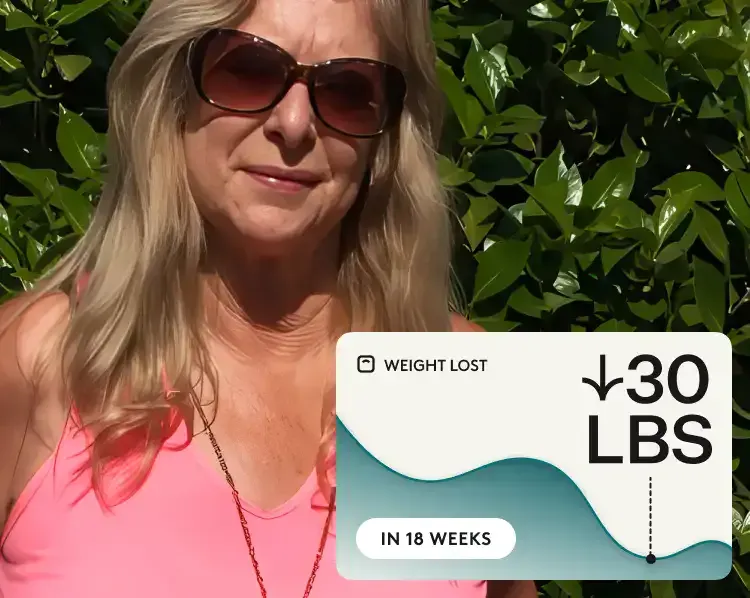
‘’Noom has changed my life and I’m so thankful, I feel great, have more energy and am no longer prediabetic.”
Daisy R. – Real Noom user
Sarah R. — Real Noom user
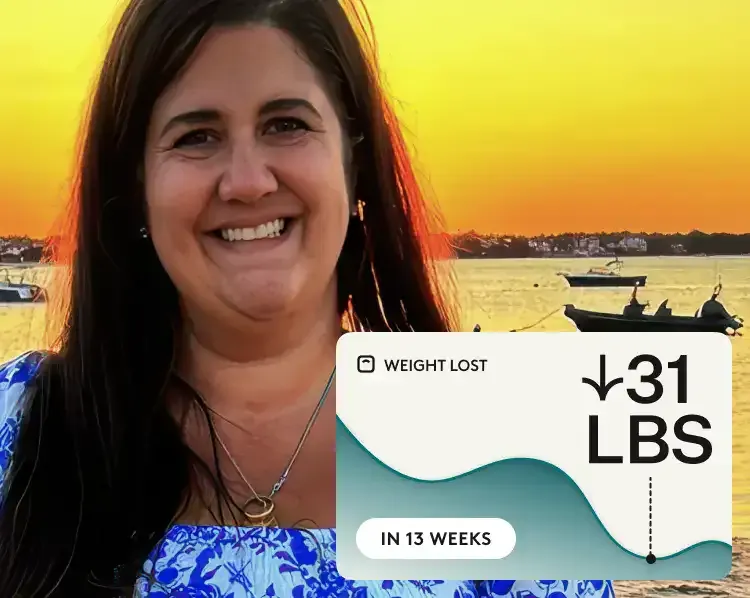
“All of the Noom providers that I’ve met with have been exceptional and prescribed medications that are appropriate for my situation and health.”
Sarah R. – Real Noom user
Madison S. — Real Noom user
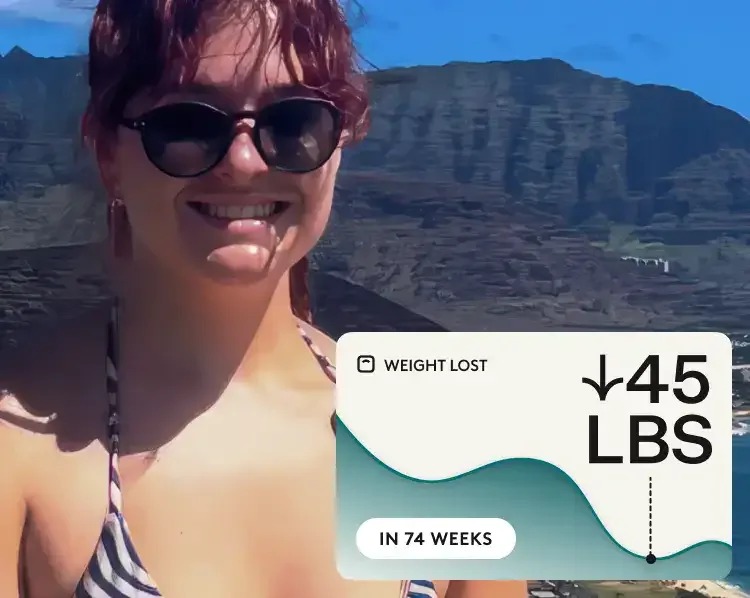
“Noom made the process so simple and now I feel full, free from diet obsession, and at ease in my body again.”
Madison S. – Real Noom user
Sonday K. — Real Noom user
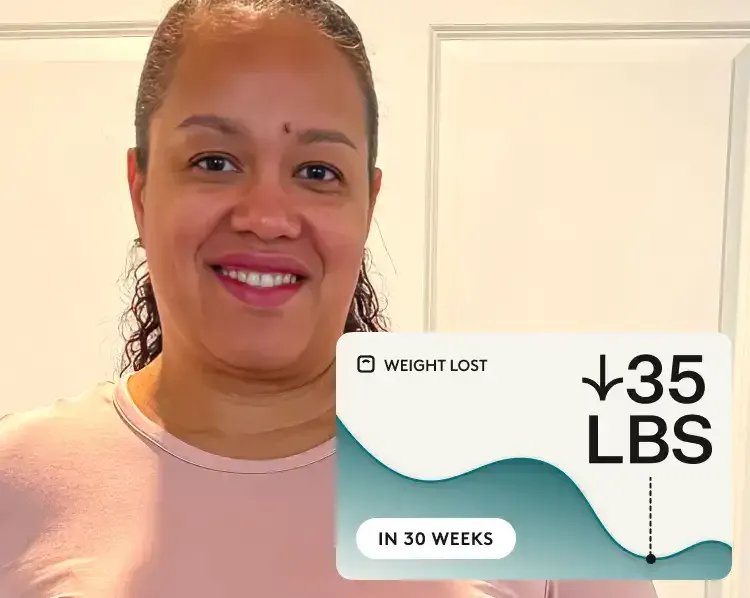
“My doctor recommended Noom after I was frustrated trying to lose weight. The lessons helped change my relationship with food. My body feels lighter & energized.”
Sonday K. – Real Noom user
Cam K. — Real Noom user
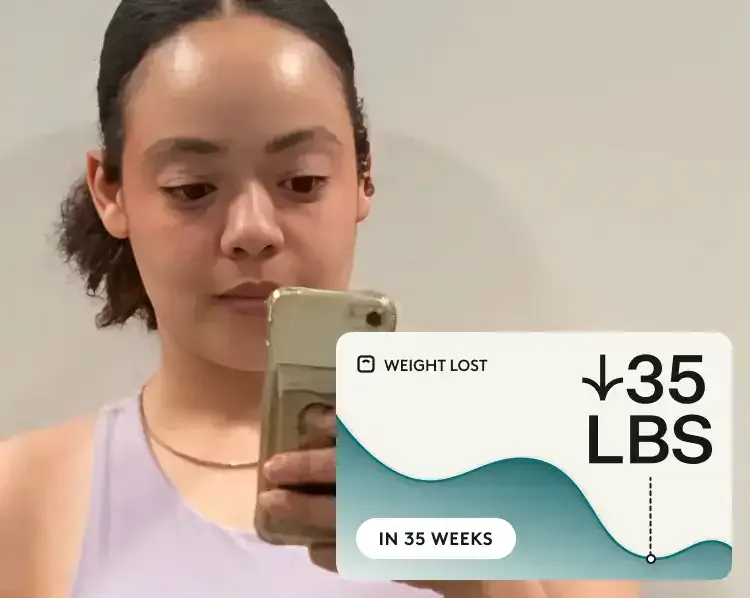
“I built healthy habits with coaching and lessons that make me confident I can maintain my weight loss long term.”
Cam K. – Real Noom user
Laura TR. — Real Noom user
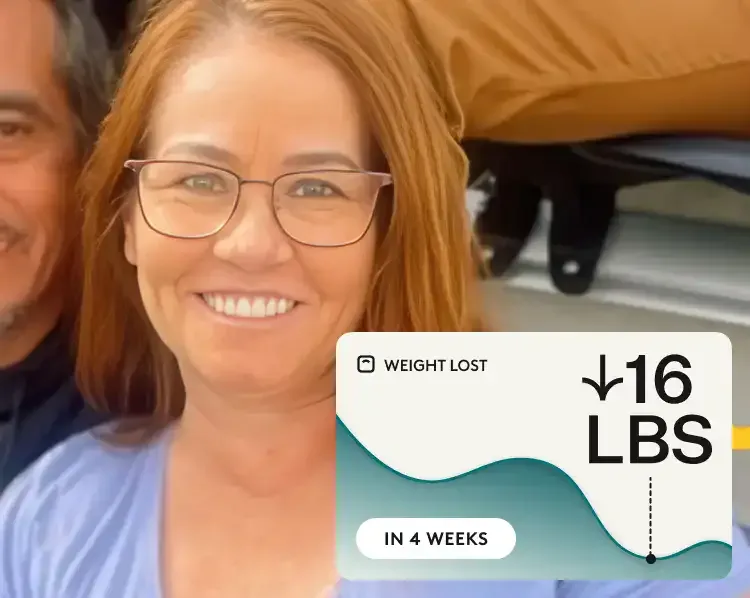
“With the right medication through Noom, hunger and sugar cravings finally quieted and I have the tools to break the cycle.”
Laura TR. – Real Noom user
Jessica S. — Real Noom user
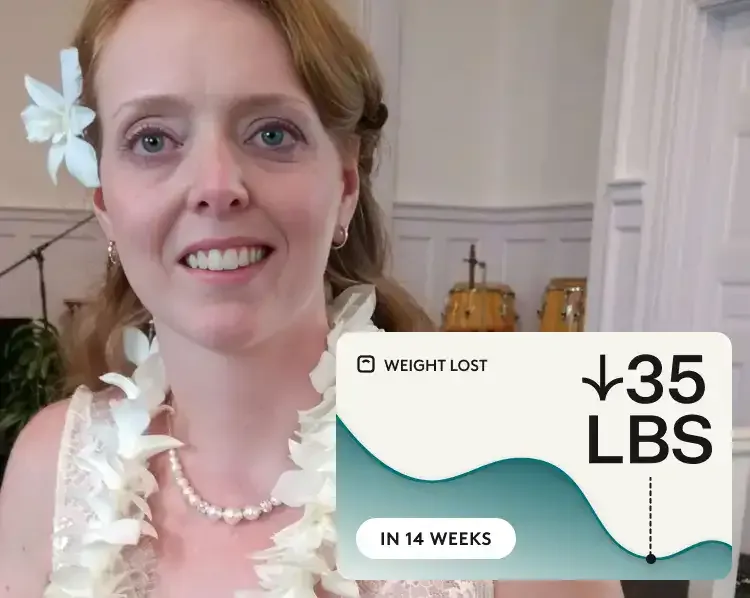
“Cravings and food noise are gone, I finally feel confident in the healthy habits I’ve built to last with Noom.”
Jessica S. – Real Noom user
The bottom line: Contrave may not be covered by insurance, but manufacturer’s pricing can make it more affordable
While Contrave® carries a high retail price, that’s not what most people actually end up paying. In many cases, insurance can lower the cost significantly, and if your plan doesn’t cover it, the manufacturer’s savings or mail-order programs may offer a more affordable path than paying the full pharmacy price.
That makes the real question less “What’s the list price?” and more “What will this cost under my specific coverage and savings options?” Taking a few minutes to check your formulary, ask about prior authorization, and compare manufacturer programs can give you a much clearer picture of what Contrave® would really cost you.
The bottom line: retail price is often the headline number, but it’s rarely the only number that matters. Between insurance coverage, discount programs, and direct manufacturer options, many people can access Contrave® for less than the sticker price suggests.
If you’re looking for the right weight loss medication and you want to know all of the options open to you, see if you qualify for Noom Med. You’ll be paired with a clinician who can find the right medication for you and prescribe it, if needed.
Plus, with Noom Med, care doesn’t stop at writing a prescription. You’ll have a Care Team to help you manage any side effects, plus lessons, guidance, and exclusive tools to help you build the best diet and exercise plan for you.
Editorial standards
At Noom, we’re committed to providing health information that’s grounded in reliable science and expert review. Our content is created with the support of qualified professionals and based on well-established research from trusted medical and scientific organizations. Learn more about the experts behind our content on our Health Expert Team page.