
What you’ll learn:
- Store Zepbound® in the fridge by default, but it can be kept at room temperature for a limited time if you stay within the time and temperature guidelines.
- Temperature matters more than appearance—heat, freezing, or too much time out of the fridge can damage the medication even if it looks normal.
- When traveling, keep it below 86°F and avoid freezing, using a temperature-stable bag or case and keeping it with you—not in a hot car or checked luggage.
If you’ve just started Zepbound®, you’ve probably heard the same basic instruction: keep it in the fridge. That’s true—but it’s also incomplete. In real life, you’re not always standing in your kitchen when it’s time for your dose. You’re working, traveling, and running errands, and not always near refrigeration. And that’s where the nuance starts to matter.
Zepbound® is meant to be refrigerated most of the time, but it’s designed with some flexibility built in. It can safely be kept at room temperature for a limited window, which makes it much more practical to use day to day. That said, it shouldn’t be stored at room temperature if you’re not using it for a few weeks. There are clear boundaries around how warm is too warm, how long is too long, and when it’s no longer a good idea to use it—even if it looks completely fine.
There are also guidelines about what room temperature is and how hot or cold it should be. Plus, signs that the medication has been at a compromising temperature for too long.
That’s the part that can feel confusing at first. The rules aren’t complicated, but they are specific—and small details can make a difference.
The good news is that once you understand the timing, temperature limits, and how your specific pen or vial works, storing Zepbound® becomes pretty straightforward.
We’ll walk through exactly what to do so you can feel confident whether it’s in your fridge, your bag, or coming with you on the go.
What is Zepbound® and why is storage important?
Zepbound® is a medication most people take for weight loss, though it’s also approved for obstructive sleep apnea (OSA). It’s taken once a week as an injection, and people need to store the medication for each use. The manufacturer recommends refrigeration, which is where a lot of the day-to-day questions—like storage and travel—come in.
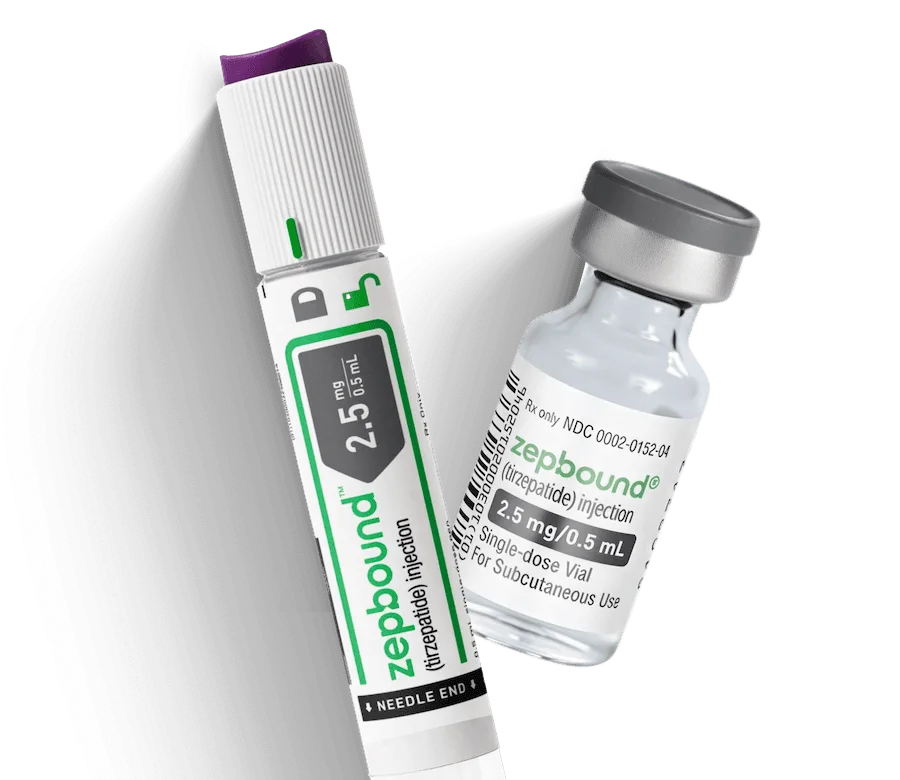
How long you’ll keep your injection device on hand depends on the version you have. Which you get depends on how it’s prescribed and whether or not you are going through insurance, paying full price, or using Lilly Direct, the company’s self-pay portal. Here are the types available.
- Through insurance and for people paying full price: A single-use pen (one dose, then discarded)
- You’ll usually have about four pens on hand at a time—one for each week.
- Through Lilly Direct: a vial (used with a syringe) or a multi-dose KwikPen (about four weekly doses)
- With vials, you’ll have multiple single-dose units on hand, similar to pens
- With a KwikPen, you’ll use the same pen across multiple weeks, so how you store it between doses matters more
Why does Zepbound® need to be refrigerated?
Zepbound® needs to be refrigerated because its active ingredient, tirzepatide, is sensitive to temperature. If it gets too hot, freezes, or sits out longer than the recommended window, it may not work the way it should—even if it looks completely normal.
Tirzepatide is a peptide-based medication. Peptides are sensitive to heat, freezing, and light, all of which can affect the stability of the medication. And here’s the tricky part: you usually can’t tell by looking at it whether it’s been damaged. The liquid can look unchanged, even if the medication has started to break down.
When that happens, it can affect the strength, safety, and overall quality of the medication. In practical terms, that means it may not work as intended. This is why storage guidelines are specific—and why things like leaving it in a hot car, a sunny windowsill, or a warm mailbox can matter more than you might expect.
This is especially important if your medication is delivered. If your Zepbound® arrives warm, without proper cold packaging, or with completely melted ice packs, don’t use it right away. Contact the pharmacy first and consider replacing it.
Quick storage guide for Zepbound®
| Storage condition | Single-dose pens or vials | Multi-dose KwikPen |
|---|---|---|
| Refrigerator (default) | 36–46°F (2–8°C) until expiration date | 36–46°F (2–8°C) until expiration date |
| Room temperature (max) | Up to 86°F (30°C) | Up to 86°F (30°C) |
| How long at room temp | Up to 21 days total | Up to 30 days total |
| When to discard | After 21 days at room temp | 30 days after first use or after 4 doses (whichever comes first) |
| Freezing | ❌ Do not freeze – discard if frozen | ❌ Do not freeze – discard if frozen |
| Light exposure | Keep in original carton | Keep in original carton |
How to travel with Zepbound®
Traveling with Zepbound® is manageable with a little planning. You don’t need to build your trip around your medication—but you do need to protect it from temperature extremes.
The most important rule: keep it in a temperature-stable environment and avoid heat, freezing, and direct sunlight.
Access GLP-1 Weight Loss with Noom
Explore a wide range of prescription medications supported by Noom’s program.Microdose GLP-1rx
Noom GLP-1rx
Noom GLP-1rx Plus
Wegovy®
Ozempic®
Metformin
Zepbound®
Mounjaro®
Liraglutide
Taking Zepbound® on short trips (errands, day trips)
This is where most issues happen. Cars heat up quickly—even on mild days. Don’t leave Zepbound® in the glove compartment, trunk, dashboard, or a bag sitting in the sun.
Keep it with you instead. If you’re using an insulated case, make sure it stays cool without freezing. The good thing about taking Zepbound® is its flexibility; you can take Zepbound® any time of day, so keeping it at home and taking it at a more convenient time would be the best bet. You can even switch the day if you need to, just be sure to okay this with your clinician.
Taking Zepbound on overnight stays (hotels, rentals)
Mini-fridges can be unpredictable and sometimes run too cold, especially near the freezer compartment or cooling plate. If you use one, keep Zepbound® away from those spots. Alternatively, you can leave it at room temperature within the allowed window (21 or 30 days, depending on your version). Just keep it in its original carton and out of direct light. And again, if this is too much planning work, talk to your provider about switching your injection day.
Longer trips or flying with Zepbound®
When you’re traveling with Zepbound for longer periods, the goal is similar: keep it within a safe temperature range and avoid extremes.
- Car, train, cruise, or general travel: Keep Zepbound® with you in a temperature-stable place—not in a bag sitting in direct sunlight or a compartment that can heat up. If you’re using an insulated case, make sure it stays cool without freezing the medication.
- Flying with Zepbound®: Pack it in your carry-on bag in its original labeled packaging. This helps with airport security and keeps it in a more stable environment.
Common Zepbound® storage and refrigeration questions
How long can Zepbound® be out of the fridge?
It depends on which version you have.
Single-dose Zepbound® pens and vials can be kept at room temperature for up to 21 days. Multi-dose KwikPens can be kept at room temperature for up to 30 days.
Room temperature means 86°F or below. A kitchen counter may be fine. A hot car, sunny windowsill, beach bag, or mailbox in summer is not.
When Zepbound® is out of the fridge, start tracking the time. Don’t rely on memory, especially if you have more than one pen or vial. You can write the date on the carton or add a note in your phone.
If it was stored outside the recommended temperature range, the medication may be less effective. If you’re unsure whether your Zepbound® is still okay to use, call your pharmacist or prescriber before taking your dose.
What should you do if Zepbound® was left out overnight?
Zepbound® left out overnight may still be usable if it stayed at or below 86°F and wasn’t exposed to direct sunlight or freezing temperatures.
Here are some guidelines for when it’s most likely safe, and when you might want to throw it out.
If it’s single-dose:
- Out ≤ 21 days and below 86°F, no extreme conditions: Okay to use
- Over 21 days, above 86°F, or questionable conditions (sunlight, very hot/cold): Discard
If it’s multi-dose:
- Within 30 days total, under 86°F, and not exposed to extremes: Okay to use
- Over 30 days, or exposed to heat (>86°F), freezing, or direct sunlight: Discard
- Already used for 4 doses: Discard (even if some remains)
If you’re unsure about temperature, sunlight exposure, or total time out:
- Don’t try to “guess it’s fine”—discard it
If there’s any doubt, call your pharmacist. It’s better to ask than to use medication that may have been damaged.

The Easy Way
to lose weight and get healthy.
See if you qualify

What happens if Zepbound® gets too warm?
If Zepbound® is stored above 86°F, don’t use it.
Heat can damage tirzepatide, and you may not be able to see the damage. The liquid may still look normal, but the medication may not work as intended.
This can happen if Zepbound® is:
- Left in a hot car
- Delivered without proper cold packaging
- Stored near a heater
- Left in direct sunlight
- Kept in a warm bag or mailbox
When in doubt, call the pharmacy that dispensed it. They can help you decide whether the medication should be replaced.
Can you put Zepbound® back in the fridge after it’s been out?
In general, once you’ve removed it from the fridge, you should plan to use it within 21 days if single-dose or 30 days if multi-dose. This depends on the product and how it was stored. The guidelines differ by form:
Single-dose (pen and vial):
- Use within 21 days at room temp (≤86°F / 30°C)
- Discard after 21 days if not used
Multi-dose:
- Can be stored in the fridge or at room temperature after first use
- As long as it stays within limits (≤86°F / 30°C and within 30 days), either option is fine
What if Zepbound® freezes?
Don’t use Zepbound® if it has been frozen. The Zepbound® prescribing information is clear that Zepbound should not be frozen and shouldn’t be used if it has been frozen.
This can happen in a few common ways:
- Storing it too close to the freezer section of a mini-fridge
- Storing it in a colder section of a fridge
- Packing it directly against an ice pack
- Leaving it in a car during freezing weather
- Putting it in checked luggage
If you think your Zepbound® froze, contact your pharmacist or prescriber for next steps.
Frequently asked questions about Zepbound® refrigeration
Should I let Zepbound® come to room temperature before injecting?
You don’t have to. The prescribing information doesn’t require Zepbound® to come to room temperature before injection.
Some people prefer to let it sit out briefly because a room-temperature injection may feel more comfortable. If you do this, keep it out of direct sunlight and don’t heat it. Never microwave Zepbound®, run it under hot water, or place it near a heat source.
Read more: Zepbound® injection sites: How to inject correctly and minimize discomfort
Can I skip a week of Zepbound® for vacation?
It’s best not to skip a dose unless your prescriber recommends it. But if you do miss a dose, take it as soon as possible if your next scheduled dose is more than four days away. If your next dose is less than four days away, skip the missed dose and take your next dose on your regular day.
Don’t take two doses close together to make up for a missed dose.
If you’re planning a longer trip, ask your prescriber or pharmacist about storage, supply, and timing before you leave.
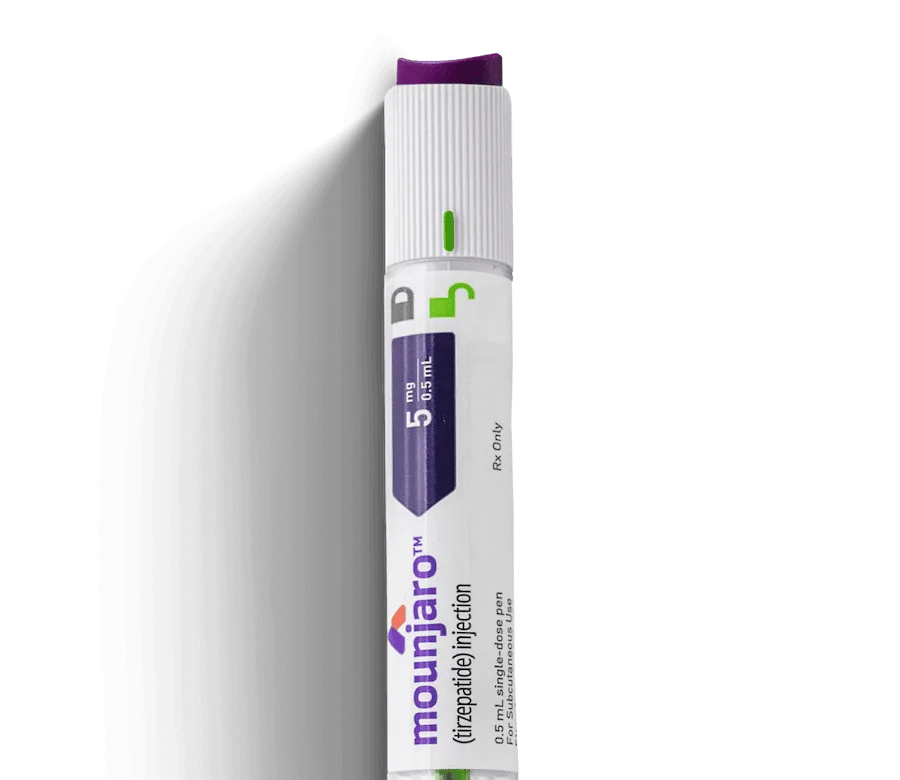
Does Mounjaro® need to be refrigerated?
Yes. Mounjaro® also contains tirzepatide and should be refrigerated.
Mounjaro® and Zepbound® contain the same active ingredient but are approved for different uses. Mounjaro® is approved for type 2 diabetes, but many people are prescribed it for off-label weight loss.
Learn more: What’s the difference between Zepbound and Mounjaro?
Can you travel with Zepbound®?
Yes. You can travel with Zepbound® as long as you keep it within the approved temperature range, protect it from light, and avoid freezing.
For flights, keep it in your carry-on bag, not checked luggage. For road trips, don’t leave it in a hot car.
Can you use Zepbound® if it looks normal?
Not always. Zepbound® may look normal even if it was exposed to too much heat or freezing temperatures. If storage conditions were outside the recommended range, ask your pharmacist before using it.
Reviews from real Noom users
Desirea N. — Real Noom user
“My favorite parts of Noom are the care team and other Noomers. Sharing and getting help made me feel like I wasn’t doing it alone. That support made all the difference.”
Desirea N. — Real Noom user
Matthew M. — Real Noom user
“Noom has taught me that every day is a new chance to make better, healthier choices. It's taught me how to stop overeating.’’
Matthew M. — Real Noom user
Lila M. — Real Noom user
“Clinicians who understand how supportive medication can be is one of the best parts of Noom! I was convinced I wouldn’t have success but I’m down 11 pounds in two months.’’
Lila M. — Real Noom user
Steve M. — Real Noom user
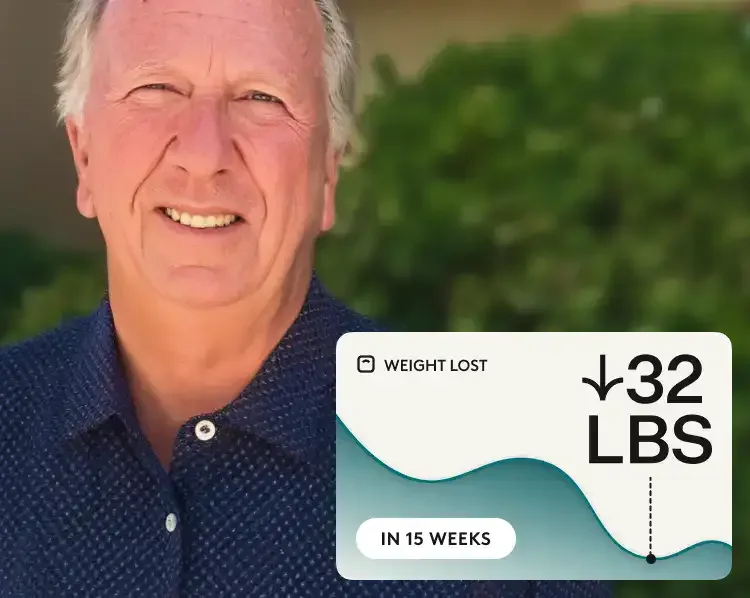
“Noom provided me with the medication which I could not get through Medicare. I have learned the tricks to better eating and life in general.”
Steve M. – Real Noom user
Daisy R. — Real Noom user
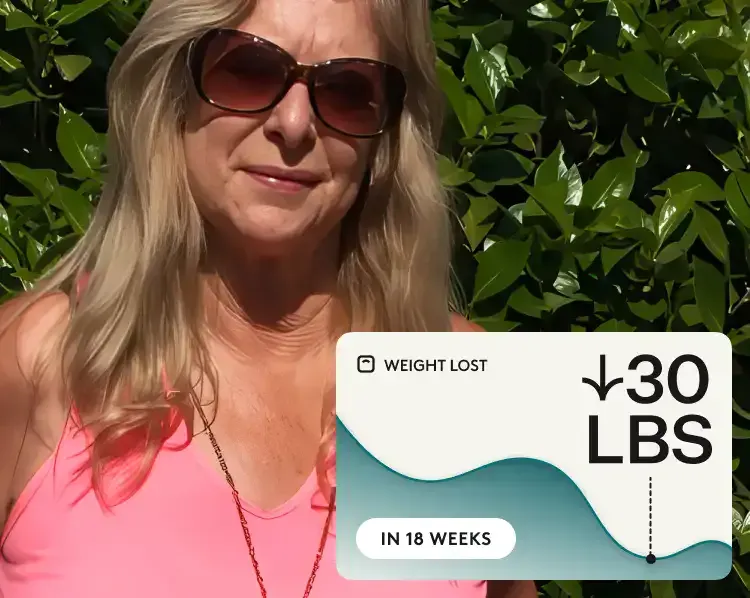
‘’Noom has changed my life and I’m so thankful, I feel great, have more energy and am no longer prediabetic.”
Daisy R. – Real Noom user
Sarah R. — Real Noom user
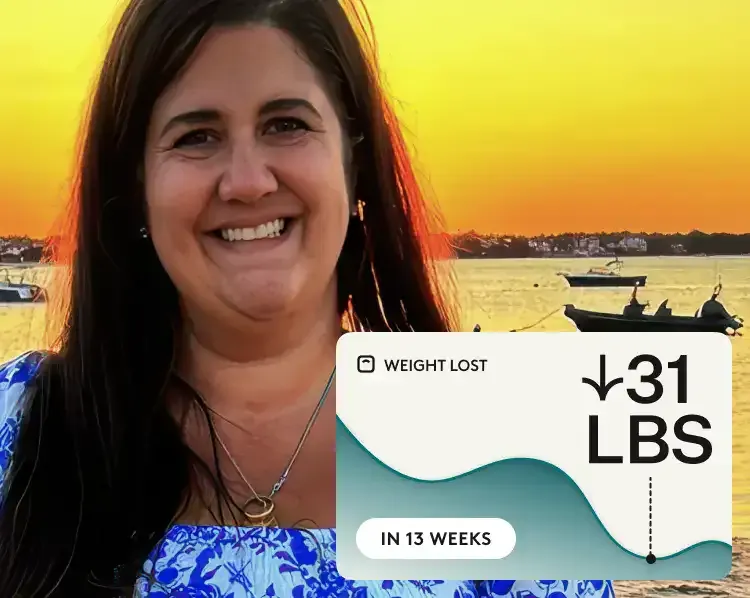
“All of the Noom providers that I’ve met with have been exceptional and prescribed medications that are appropriate for my situation and health.”
Sarah R. – Real Noom user
Madison S. — Real Noom user
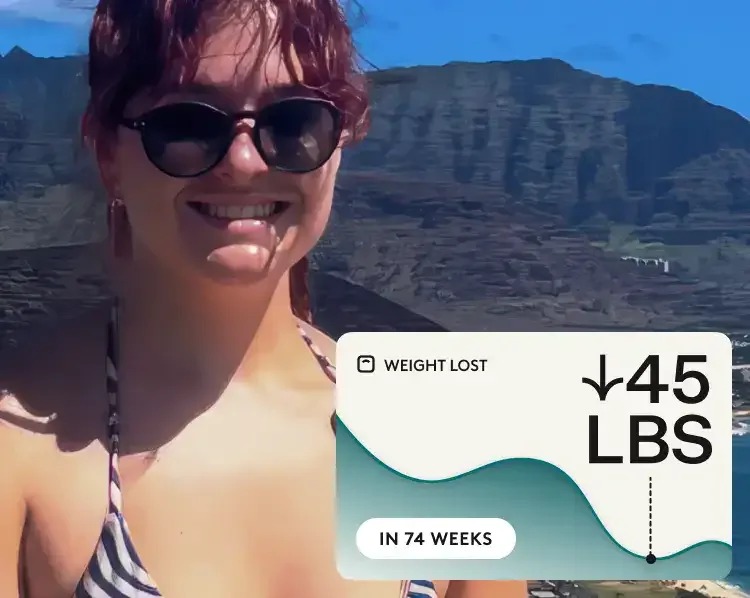
“Noom made the process so simple and now I feel full, free from diet obsession, and at ease in my body again.”
Madison S. – Real Noom user
Sonday K. — Real Noom user
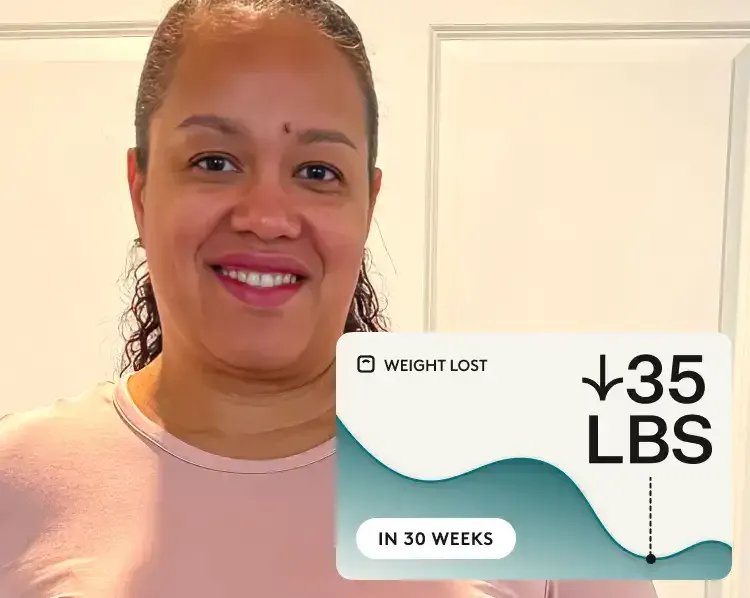
“My doctor recommended Noom after I was frustrated trying to lose weight. The lessons helped change my relationship with food. My body feels lighter & energized.”
Sonday K. – Real Noom user
Cam K. — Real Noom user
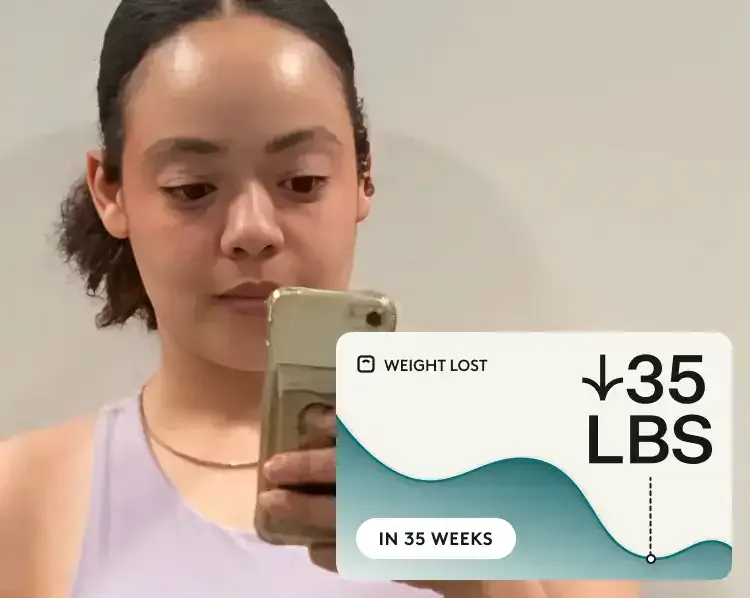
“I built healthy habits with coaching and lessons that make me confident I can maintain my weight loss long term.”
Cam K. – Real Noom user
Laura TR. — Real Noom user
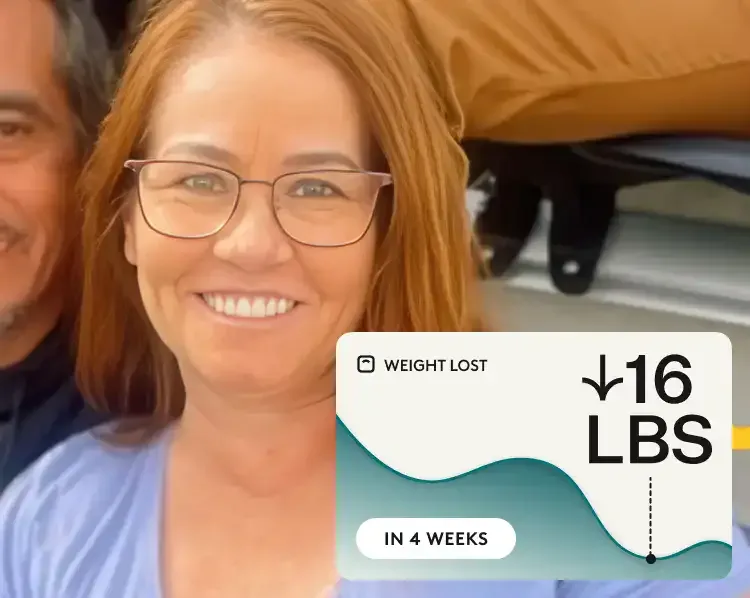
“With the right medication through Noom, hunger and sugar cravings finally quieted and I have the tools to break the cycle.”
Laura TR. – Real Noom user
Jessica S. — Real Noom user
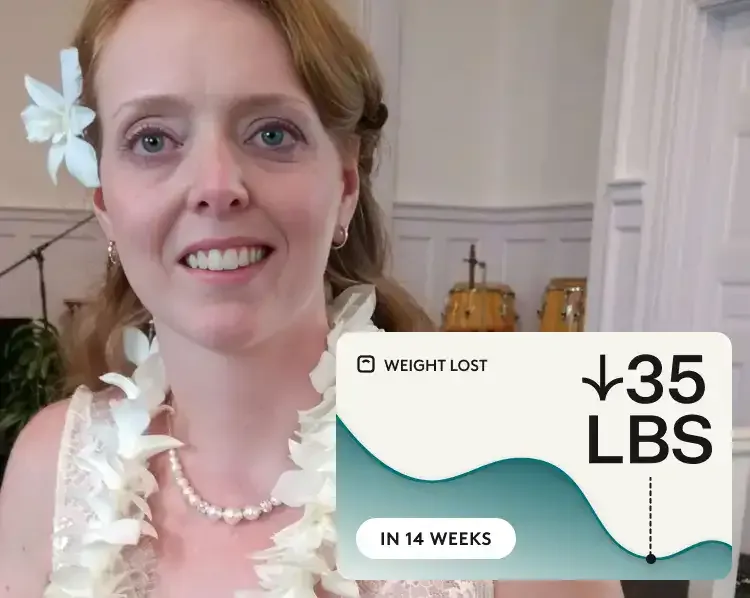
“Cravings and food noise are gone, I finally feel confident in the healthy habits I’ve built to last with Noom.”
Jessica S. – Real Noom user
The bottom line: The temperature of Zepbound® should be monitored, and refrigeration before using it is recommended
Some people find Zepbound® storage confusing at first, but there’s more flexibility than it seems once you understand the basics:
- Keep it in the fridge when you can, especially before you plan to use it.
- Avoid letting it get too hot or freeze
- Keep track of how long it’s been at room temperature.
Once you know those boundaries, it becomes part of your routine—no different than remembering your dose day.
The bigger picture: Zepbound® is designed to work in real life. You can travel with it, adjust your schedule when needed, and store it safely without overthinking every detail.
When something feels off—like a pen left out too long or a package that arrived warm—it’s worth pausing and checking with your pharmacist instead of guessing. A little extra caution goes a long way in making sure the medication works the way it’s supposed to.
If you get your medication through Noom Med, working with licensed clinicians and people who are on hand to answer your Zepbound® questions is part of the program. They can help you navigate treatment, including any questions about storage, dosing, and side effects. Your Care Team will help you build habits that support long-term weight management.
Editorial standards
At Noom, we’re committed to providing health information that’s grounded in reliable science and expert review. Our content is created with the support of qualified professionals and based on well-established research from trusted medical and scientific organizations. Learn more about the experts behind our content on our Health Expert Team page.